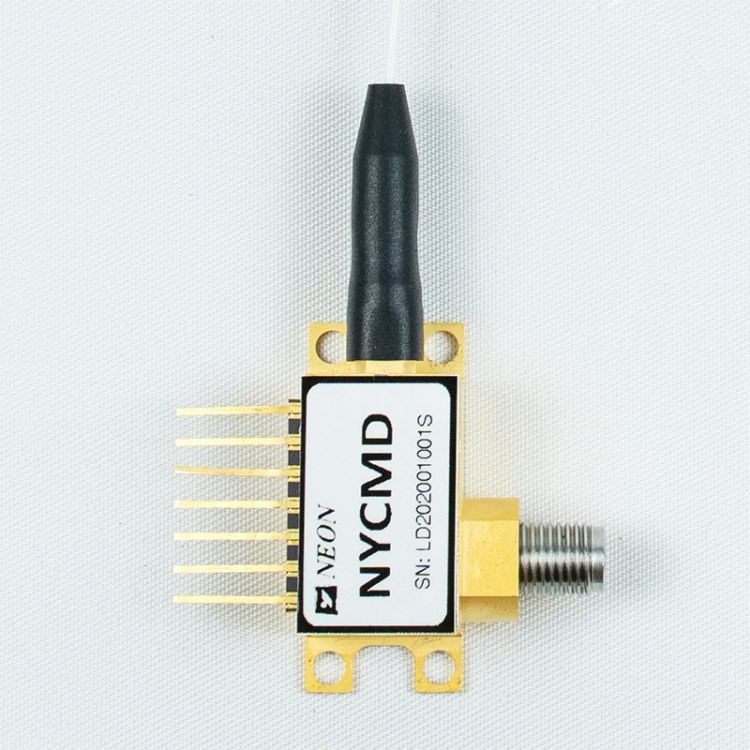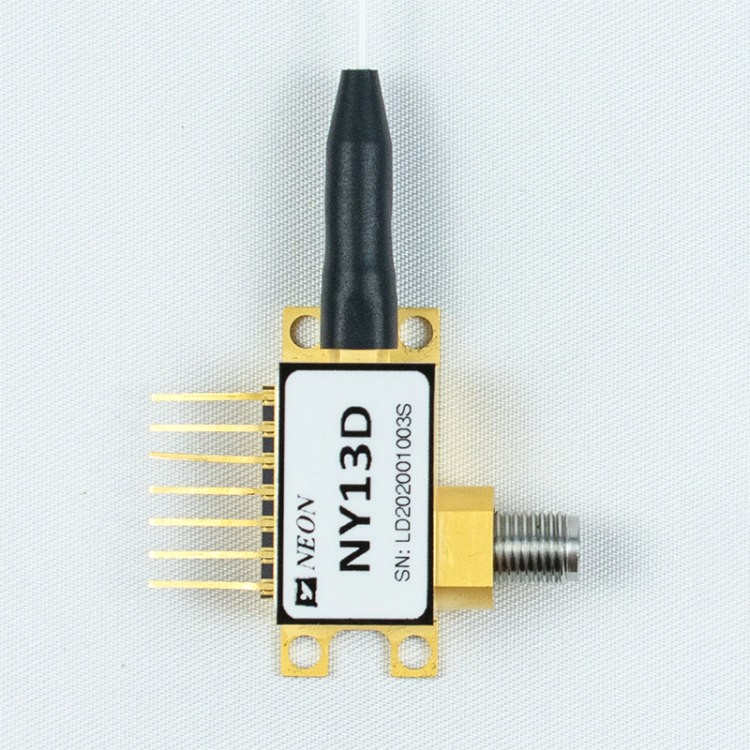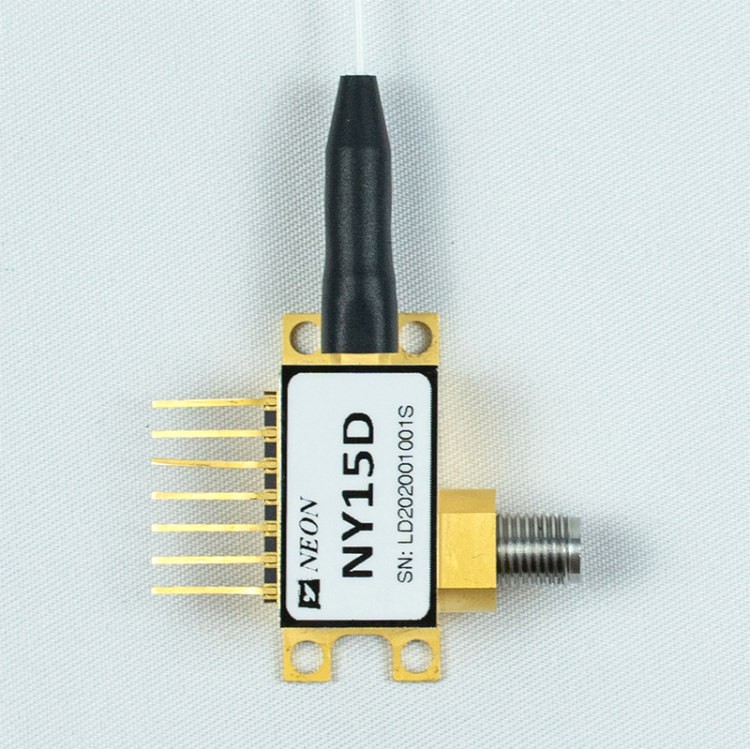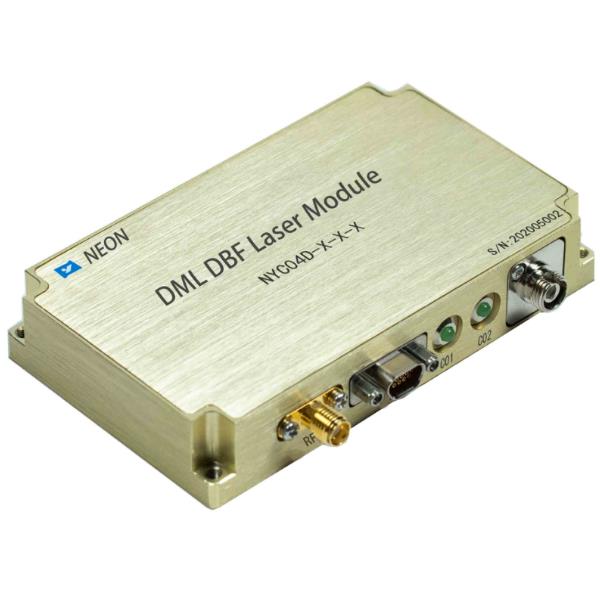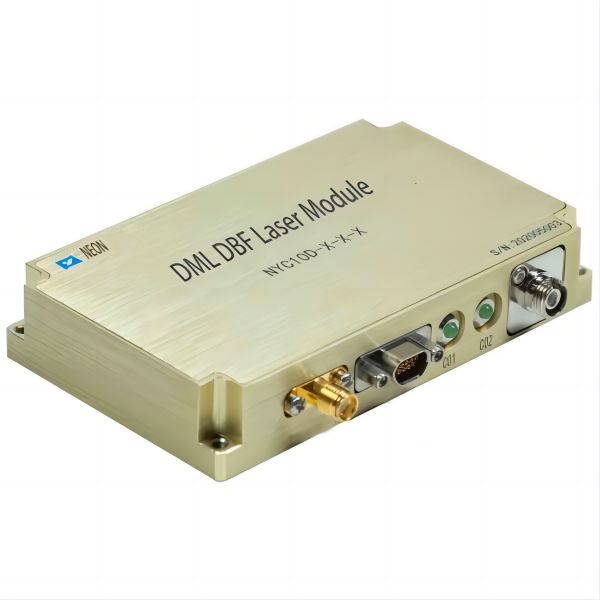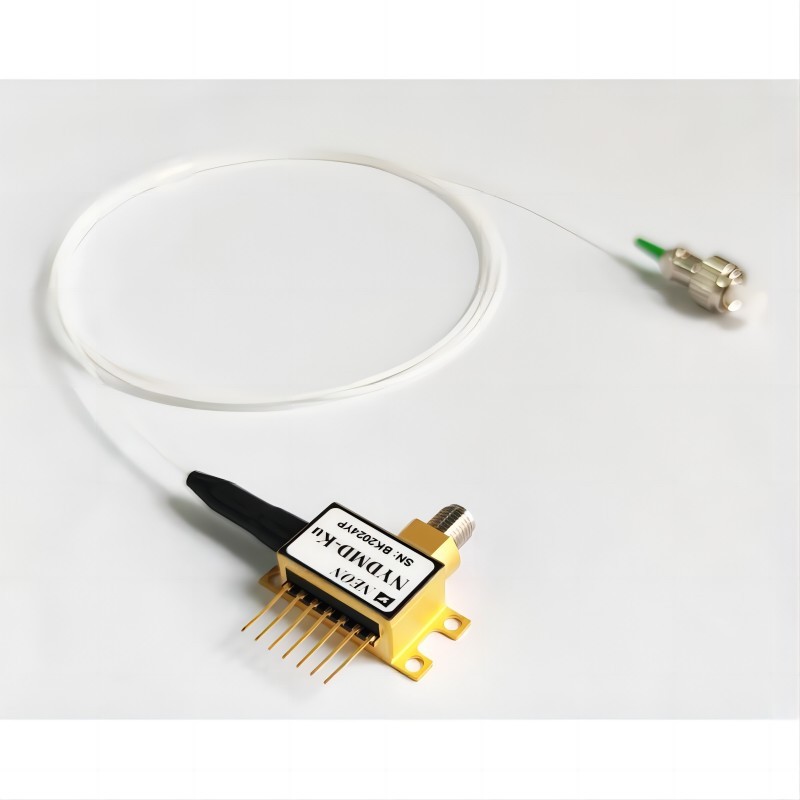

What Is a DFB Laser? Understanding the Working Principle Behind Single-Mode Lasers
Modern photonic systems rely on laser sources that must provide both optical power and maintain stable wavelengths with high spectral purity and sustained operational reliability. The technology finds its greatest applications in dense wavelength division multiplexing (DWDM) systems as well as fiber-optic sensing and precision measurement systems.
The DFB laser has emerged as the leading solution among all the available semiconductor laser types. The wide adoption of DFB lasers requires an understanding of their fundamental operation through the following question: what is a DFB laser and how does it work? The article explains the working principle of DFB lasers through a detailed investigation of distributed feedback systems, which produce single-mode stable laser output.
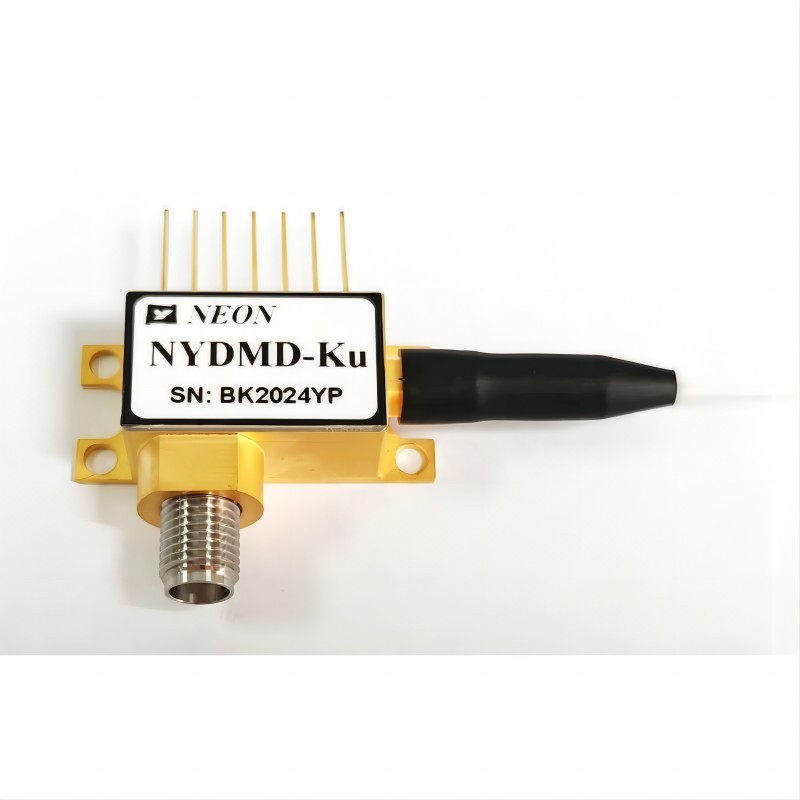
What Is a DFB Laser?
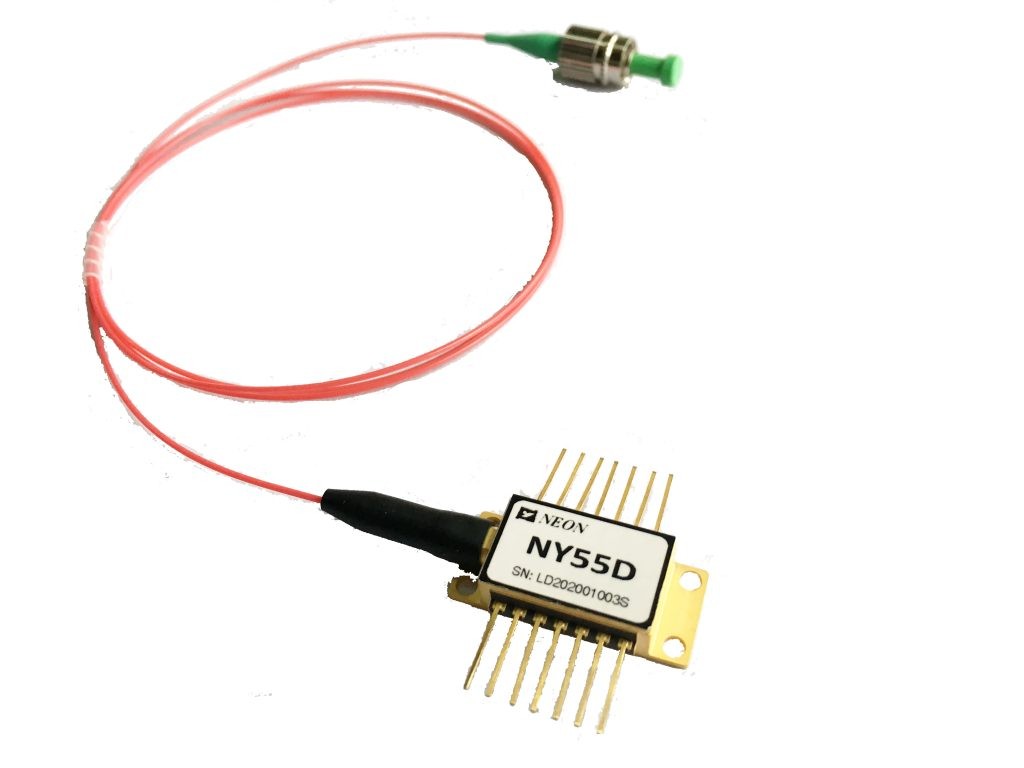
The DFB laser is a semiconductor laser diode that produces light at one particular wavelength, thus working just like any other laser. However, its operating principle is different from that of the conventional Fabry–Perot (FP) lasers, as it takes advantage of a Bragg grating placed right in the gain region for feedback rather than utilizing reflections from the cavity end facets.
The distributed feedback system creates an essential change that transforms the entire process of laser oscillation. The grating system functions to enhance a single wavelength while it blocks other longitudinal modes from competing with each other. The DFB lasers produce excellent spectral results, which makes them suitable for advanced optical systems that require high performance.
What is the DFB Laser Working Principle?
Bragg Grating and Distributed Optical Feedback
The core of the distributed feedback laser working principle is the Bragg grating. This grating consists of a periodic variation in the refractive index along the laser’s waveguide. When light propagates through this structure, constructive interference occurs only at wavelengths that satisfy the Bragg condition.
Because the grating extends across the entire active region, optical feedback is distributed rather than localized. This eliminates dependence on cavity mirrors and ensures highly selective wavelength reinforcement.
Single Longitudinal Mode Operation
The main advantage of DFB lasers emerges from their capability to function through single longitudinal mode operation. The conventional FP laser design permits simultaneous oscillation of multiple modes, which produces spectral broadening and unstable operation.
In contrast, the distributed feedback laser suppresses unwanted modes through wavelength-selective gain. Often, a λ/4 phase shift is introduced in the grating to break symmetry and further stabilize single-mode operation.
Wavelength Stability and Narrow Linewidth
The Bragg grating enables DFB lasers to produce a narrow spectral linewidth that helps maintain stable wavelengths through operation. The emission wavelength remains affected by temperature and injection current, but these changes can be predicted and controlled through thermal management and current tuning systems.
The stability of DFB lasers serves as the main reason they became the preferred choice for long-distance fiber-optic communication systems.
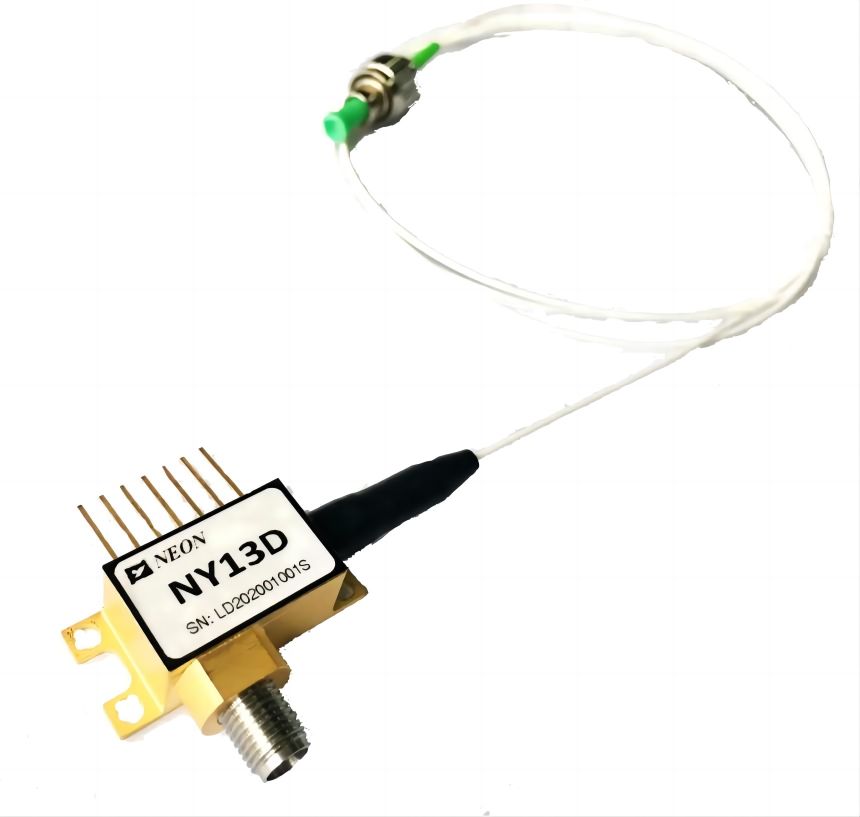
Internal Structure of a Distributed Feedback Laser
A typical distributed feedback laser consists of the following elements:
- Active gain region where stimulated emission occurs
- Integrated Bragg grating for wavelength selection
- Waveguide structure to confine optical modes
- Electrodes for current injection
- Thermal control components, often including a TEC
The monolithic integration of these components ensures compact size, high efficiency, and excellent repeatability.
DFB Lasers vs Other Semiconductor Lasers
The basic operations of laser technologies dictate their performance characteristics; thus, to understand these operations is a prerequisite to evaluating them properly.
- FP lasers rely on reflections at their facets, which allow different modes to exist simultaneously; however, DFB lasers use feedback that is spread out over the whole device to give output of one mode only.
- DFB vs DBR lasers: The grating of DBR lasers lies in the gain region but is outside of the active area, while DFB lasers place the grating in the active layer for better mode control.
In terms of system design, DFB lasers are the best choice as they offer a good combination of stability, simplicity, and performance.
Key Performance Advantages of DFB Lasers
The unique DFB laser working principle leads to several important advantages:
- Single-frequency, single-mode emission
- High wavelength accuracy and repeatability
- Low phase noise and narrow linewidth
- Excellent compatibility with high-speed modulation
- Long-term operational stability
These characteristics make DFB lasers a standard choice for demanding optical environments.
Typical Applications of DFB Lasers
Based on their performance, DFB lasers are widely used in:
- Optical fiber communication, especially DWDM networks
- Fiber-optic sensing systems, including temperature and strain measurement
- Gas detection and spectroscopy, where precise wavelength control is critical
- Scientific and industrial instrumentation
In each case, the distributed feedback laser provides the spectral purity required for accurate and reliable operation.
Design and Engineering Considerations
When selecting or designing a DFB laser, engineers must consider:
- Grating period and coupling strength
- Thermal management and packaging type
- Modulation bandwidth requirements
- Long-term reliability and environmental stability
Proper optimization ensures the laser performs consistently throughout its service life.
Frequently Asked Questions (FAQ)
Q1: What is a DFB laser and the reason for its name “distributed feedback”?
For a DFB laser, the reflective feedback in terms of wavelength is provided by a Bragg grating put over the emitting region rather than by using cavity mirrors.
Q2: What aspect of the DFB laser working principle leads to single-mode output?
The mode with the corresponding wavelength is excited, whilst the others are made to be quiet through the grating.
Q3: What is the main difference between a distributed feedback laser and a Fabry–Perot laser?
DFB lasers use distributed internal feedback, while FP lasers rely on facet reflections and typically operate in multiple modes.
Q4: How much will the wavelength of a DFB laser fluctuate?
The DFB lasers present the best wavelength stability, with the trend in tuning being predictable through temperature and current adjustments.
Q5: Where are DFB lasers most commonly used?
They are widely used in optical communication, fiber sensing, gas detection, and precision measurement systems.