
NEON DS-HES vs VIAVI ALT-8000 for Aircraft Radio Altimeter Applications
Rapidly increasing global navigation safety requirements and continuous usage of airplanes are requiring the procurement of radio altimeter test and simulation equipment, which are now priority items for airlines, MRO organizations, and aircraft manufacturers. The aircraft radio altimeter is a very important sensor, as it is the sensor whose data decides whether a plane will land safely or not, on a specific terrain surface, and without the operator’s manual intervention.
Two sources of the same distinct kinds that purchasers usually take into account are compared in this procurement-oriented report:
- VIAVI ALT-8000 Radio Altimeter Test Set – optimized for flight-line and maintenance operations
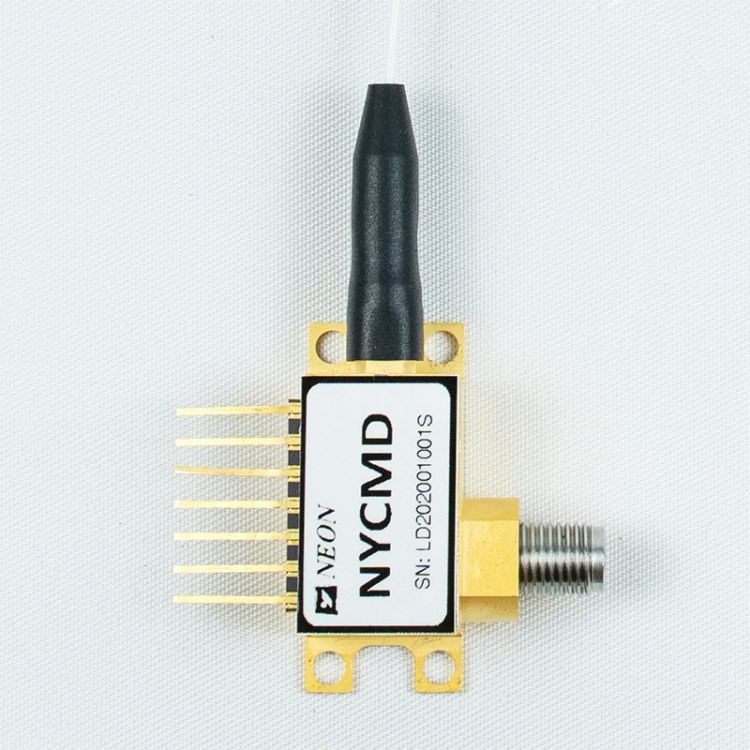
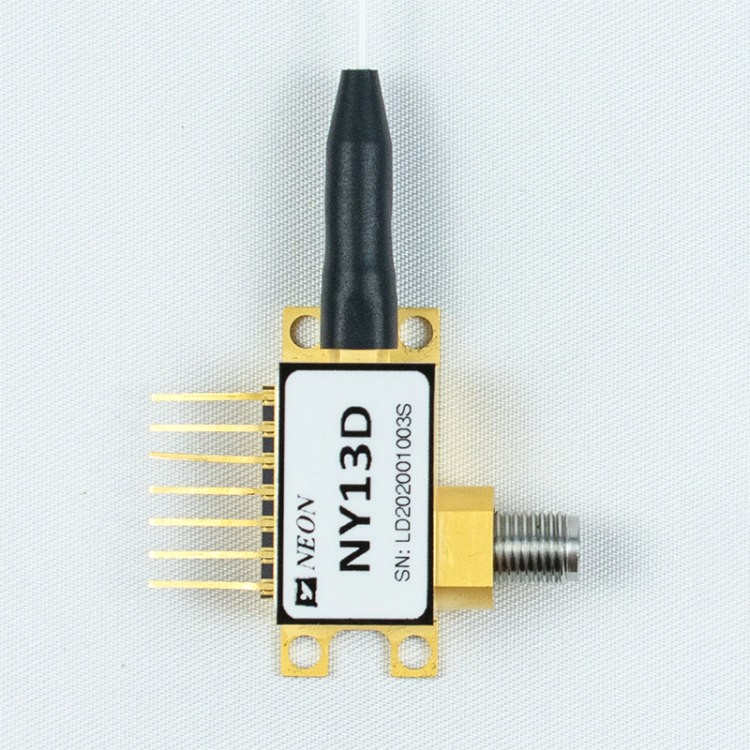
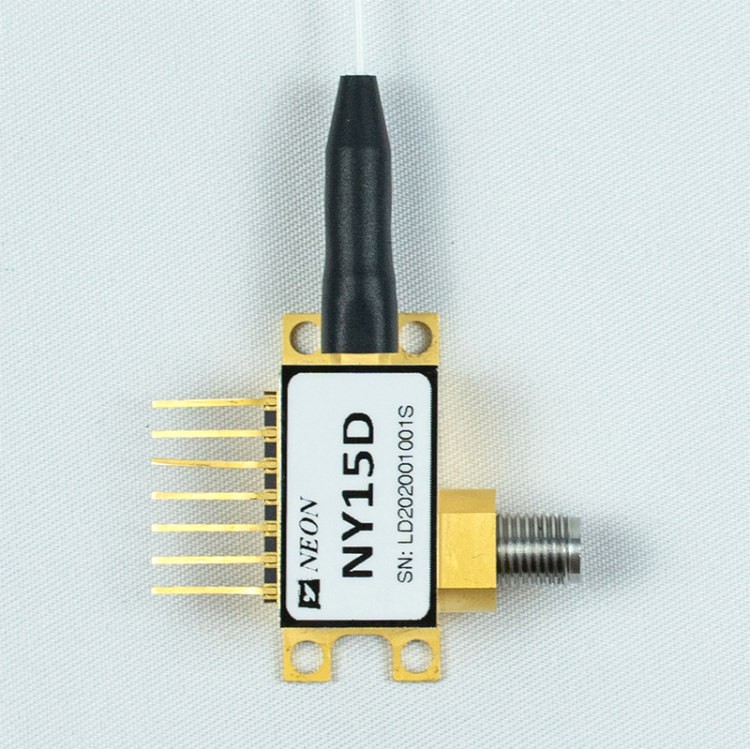
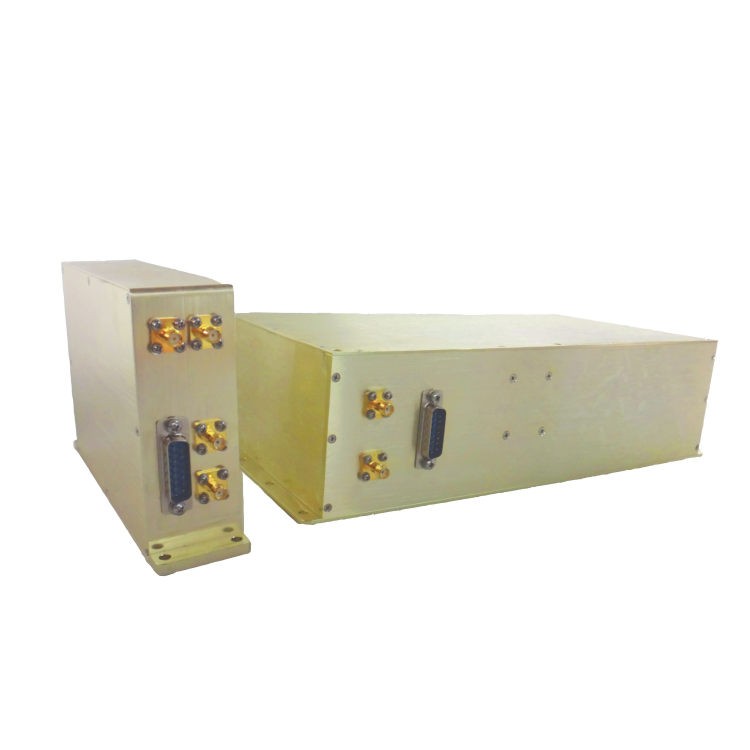
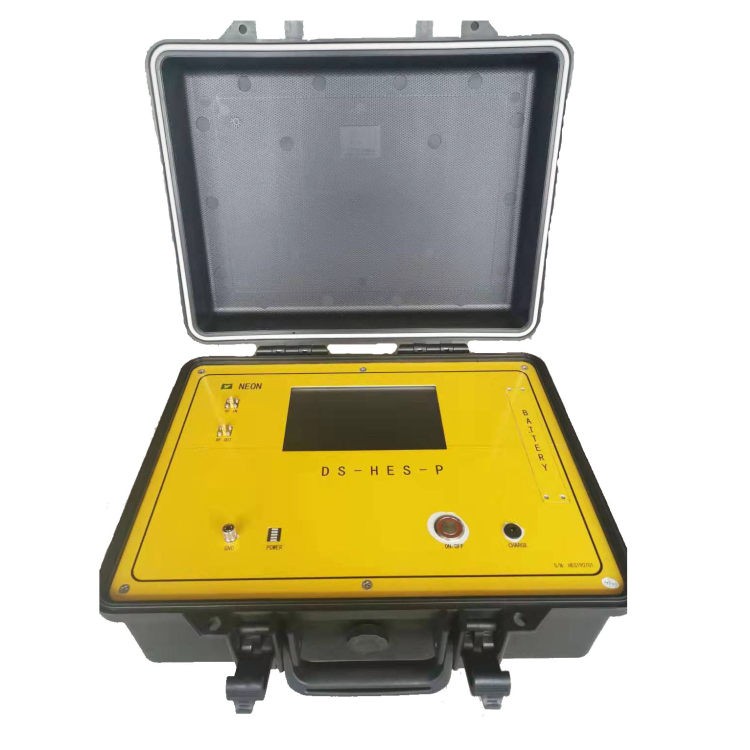
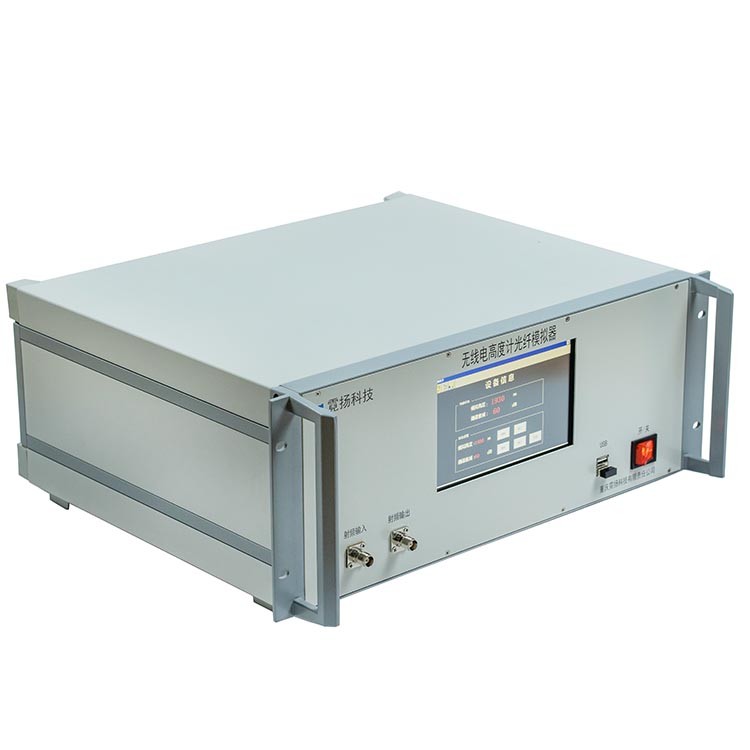
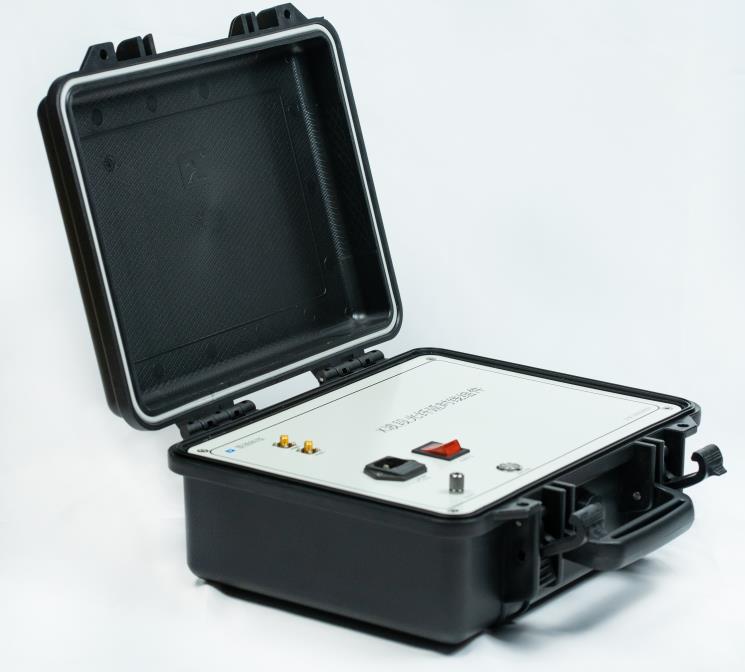
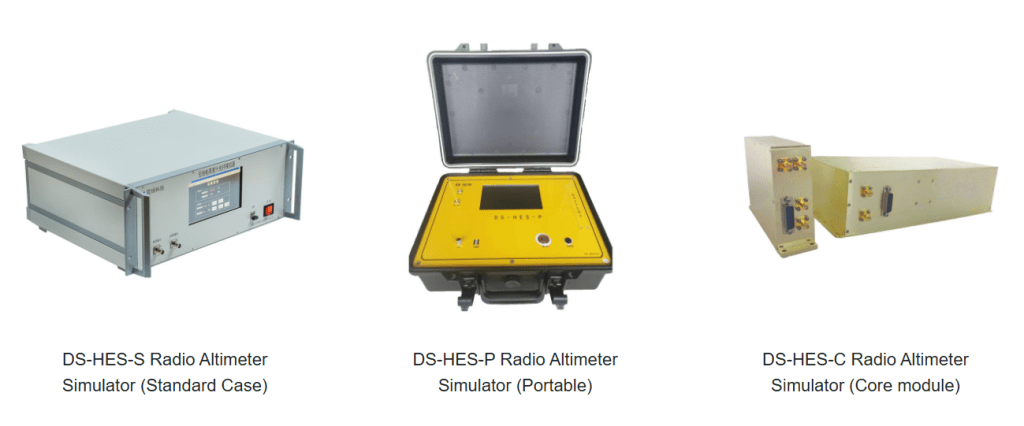
- NEON DS-HES Series Radio Altimeter Simulator – designed for laboratory testing, system validation, and R&D environments
The assessment will reflect good performance, various application scenarios, cost of acquisition, and long-term ownership considerations to help in making the right decisions about the purchase.
Why Radio Altimeter Testing Is a Critical Procurement Priority in Modern Aviation
1. Role of Radio Altimeters in Aircraft Landing Safety and Flight Control Systems
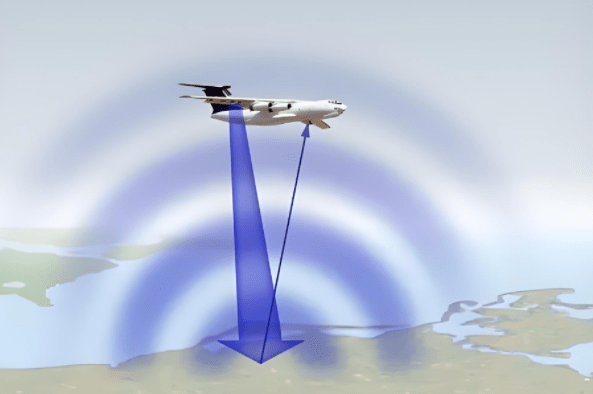
A radio altimeter uses a transmitter to send radio waves toward the ground and then analyzes the reflected signal to calculate the true height of an aircraft above the ground. It, therefore, provides very accurate data at lower altitudes, which is the reason why it is so highly valued during the stage of approach, landing, and other similarly hard to assess situations, involving also the matter of low visibility.
The majority of aircraft radio altimeter sets cover the 4.2–4.4 GHz frequency range for the operation of both FMCW (Frequency Modulated Continuous Wave) and pulse-based systems. Precise measurement in a fixed radio altimeter range—from ground level to several thousand feet—is a must for flight safety systems like auto-land, GPWS, and TCAS integration.
2. Key Market Drivers Driving Demand for Radio Altimeter Test Sets and Simulators
There are several industry trends that are causing an acceleration of requests for radio altimeter test and simulation equipment:
- Regulatory pressure and compliance requirements: Aviation authorities are more and more insisting on the regular verification of radio altimeter performance, which in turn is increasing the need for certified test sets and simulators.
- RF spectrum congestion and interference risks: 5G and the adjacent RF services’ growth have also caused a lot of attention on the radio altimeter frequency integrity, thus making the validation and interference testing practices even more critical.
- Aging aircraft fleets: Extended aircraft lifecycles increase the frequency of maintenance, calibration, and troubleshooting, directly impacting procurement volumes for radio altimeter test equipment.
- Digitalization of MRO operations: Airlines and MROs are investing in automated, repeatable test solutions to improve efficiency and reduce downtime.
Typical Applications of Radio Altimeter Test Equipment in MRO and R&D
| Dimension | VIAVI ALT-8000 | NEON DS-HES Series |
| Product Category | Flight-line test set | Radio altimeter simulator |
| Primary Use | On-aircraft maintenance & troubleshooting | Laboratory, R&D, and system validation |
| Typical Users | MRO technicians, line maintenance teams | Test engineers, system integrators |
| Core Value | Speed, portability, real-world testing | Precision, flexibility, deep simulation |
Technical Comparison of Radio Altimeter Test & Simulation Solutions
Radio Altimeter Frequency Coverage and Performance Capability Comparison
| Parameter | VIAVI ALT-8000 | NEON DS-HES |
| Supported Radio Altimeter Frequency | Standard aircraft bands (FMCW & Pulse) | Extended RF coverage (approx. 4.0–4.6 GHz) |
| Radio Altimeter Range Simulation | Configurable operational ranges | Wide dynamic range, up to ~22,000 m |
| Signal Control | Power, modulation, sweep control | Fine-grained RF and timing control |
Organizations working with multiple aircraft platforms or future-proofing against evolving standards may find broader frequency flexibility advantageous.
Functional Differences Between Flight-Line Test Sets and Radio Altimeter Simulators
| Feature | ALT-8000 | DS-HES |
| Real-Aircraft Interface | Direct antenna and system connection | Simulated RF environment |
| Automated Test Profiles | Yes | Yes |
| Remote Control / Integration | Limited | Extensive (LAN, PXI, VXI, LXI) |
| Portability | High | Low (bench-top / rack-mount) |
The ALT-8000 excels in real-world verification of installed radio altimeters, while the DS-HES radio altimeter simulator enables controlled, repeatable test scenarios not possible on the flight line.
Procurement Cost, Lifecycle Ownership, and Supply Chain Considerations
From a supply chain and procurement standpoint, purchasing decisions should extend beyond initial acquisition cost:
ALT-8000 offers faster return on investment for MROs by reducing aircraft downtime and maintenance turnaround time.
DS-HES delivers long-term value in R&D, certification testing, and multi-platform validation, especially when integrated into automated test systems.
Key evaluation factors include:
- Calibration and certification support
- Software upgrade paths
- Spare parts availability
- Vendor technical support and lifecycle commitment
Radio Altimeter Procurement Recommendations by Application Scenario
Best Radio Altimeter Test Set for Flight-Line Maintenance and MRO Operations
Recommended Solution: VIAVI ALT-8000
- Ideal for rapid verification of installed aircraft radio altimeter systems
- Portable, technician-friendly design
- Supports operational radio altimeter range and real antenna connections
Procurement strategy:
Bundle hardware with calibration services and multi-year support contracts to stabilize long-term operating costs.
Best Radio Altimeter Simulator for Laboratory Testing and R&D Validation
Recommended Solution: NEON DS-HES Series
- High-precision radio altimeter simulator with wide frequency and altitude coverage
- Suitable for interference studies, edge-case validation, and system development
- Easily integrated into automated and digital test environments
Procurement strategy:
Consider framework agreements or modular configurations to accommodate future expansion.
Hybrid Procurement Strategy: Combining Test Sets and Simulators for Full Coverage
For large airlines and comprehensive MRO organizations, a dual-solution strategy is recommended:
ALT-8000 for operational testing
DS-HES for laboratory simulation and advanced diagnostics
This approach maximizes test coverage across the full aircraft lifecycle.
Wrap Up
The growth of the aviation industry amidst stricter regulations and RF issues has prolonged the existence of ancient aircraft fleets, which, in turn, has made the required reserve investment in terms of radio altimeter test and simulation solutions a critical element of the companies’ long-term strategies. The procurement of these solutions should be conditioned by the operational requirements, technical flexibility, and life cycle cost of the equipment, and not the unit price only.
With the VIAVI ALT-8000 and the NEON DS-HES radio altimeter simulator comparatively tested, the organizations may establish a testing environment with high safety, high efficiency, and long-term value as the backbone of the entire aircraft radio altimeter lifestyle.