
How to Select a Radio Altimeter Test Set for Avionics MRO
Choosing the right radio altimeter test set is a critical decision for avionics MRO teams. The equipment needs to fit the radio altimeter under test, perform the required maintenance work, and fit into the facility workflow.
A low purchase price does not always translate to low operating expense. A lack of interfaces, test coverage, or technical support may end up costing you more down the road. A good radio altimeter test set will be adequate for your testing requirements, compatible with your existing test facilities, and designed for easy maintenance for years to come.
We’ll take a look at things you should consider prior to deciding a test set, and we’ll do some comparison of these specifications, and we’ll give some advice on how to choose good suppliers for your MRO facility.
Define Your Radio Altimeter Testing Requirements
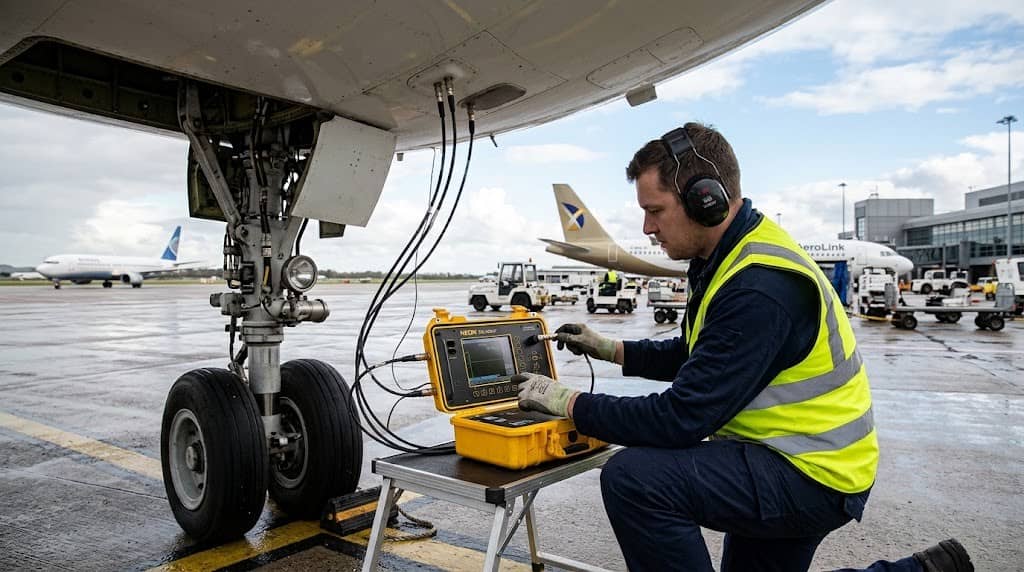
Start with the work your facility needs to perform. Different MRO environments have different priorities.
| MRO Environment | Main Requirements | Selection Priorities |
| Line maintenance | Field checks and rapid setup | Portability and ease of use |
| Hangar maintenance | Routine checks and troubleshooting | Test coverage and workflow |
| Repair laboratory | Detailed performance evaluation | Accuracy, repeatability, and control |
| OEM or R&D facility | Development and system validation | Flexible configuration and integration |
It should also be understood that this is not an advanced performance evaluation versus routine maintenance inspections. What you need will depend on the type of aircraft and radio altimeter, the tests that can be performed per the approved maintenance program, and the tests you want to perform.
Before comparing suppliers, make a list of the tests you plan to perform and the required equipment and acceptance criteria. Having a clear list of requirements prevents unnecessary expenditure and the risk of buying a test set that would not support your maintenance work.
Verify Compatibility with the Radio Altimeter Under Test
Compatibility should be a primary selection criterion. A test set may offer impressive specifications but still be unsuitable for your equipment or test configuration.
Check Frequency Range and Signal Requirements
Confirm the radio altimeter’s operating frequency range and the simulator’s supported range. Review the required signal characteristics, RF levels, and simulated altitude range as well.
For example, NEON’s DS-HES radio altimeter test set series specifies a frequency range of 4–4.6 GHz. This is a product-specific specification, not a universal requirement for every radio altimeter.
Ask the supplier to confirm compatibility with your target equipment and required test conditions.
Review RF Interfaces and Control Options
Check RF connections, impedance, cables, attenuation requirements, and control interfaces available. If a test set will interface with an automated test system, check hardware and software compatibility before you order.
The frequency range is not sufficient for compatibility. You also need to match the signal path, interface requirements, and approved test configuration.
Compare Test Coverage, Accuracy, and Signal Quality
Once you’ve determined that they’re well-matched, check the specs that will affect your maintenance work.
Simulated Altitude Range & Accuracy
Look for the range between the minimum and maximum simulated altitudes the manufacturer uses and the adjustability of those values.
Understand how the manufacturer defines accuracy. Make sure it’s over the full operating range and temperature, and that the published value is typical or guaranteed. Resolution and repeatability are also important. There is nothing wrong with smaller adjustment steps.
Interference Control and Signal Quality
Depending on the application, see the following:
- Input and output VSWR: Measures the RF impedance match.
- By-pass signal suppression: Shows rejection of unwanted by-passed signals.
- Triple-transit signals: Check whether unwanted repeated signals could affect measurements.
- Temperature stability: Check the effect of ambient temperature change on performance.
- Distance and adjustment type: Adjustable attenuation.
Ask for supporting test data when these parameters are critical to your application. For product-specific information, see NEON’s radio altimeter system simulator.
Select the Right Test Set Configuration
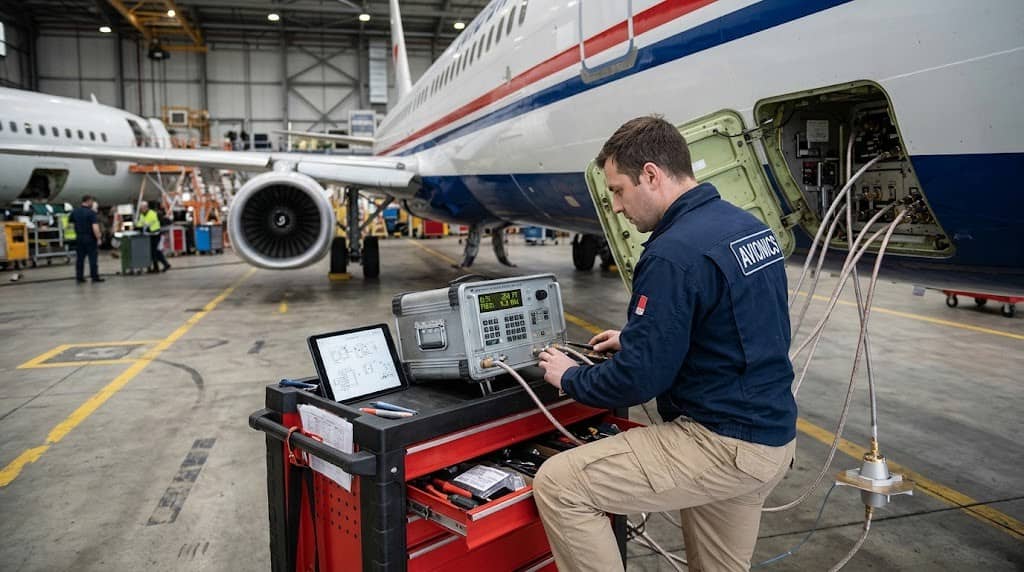
The right radio altimeter simulator configuration depends on where the equipment will be used and how it will connect to your test system.
| Configuration | Typical Application | What to Check |
| Portable unit | Field maintenance and mobile teams | Weight, setup time, and connections |
| Standard-case unit | Fixed benches and laboratories | Bench space, accessibility, and workflow |
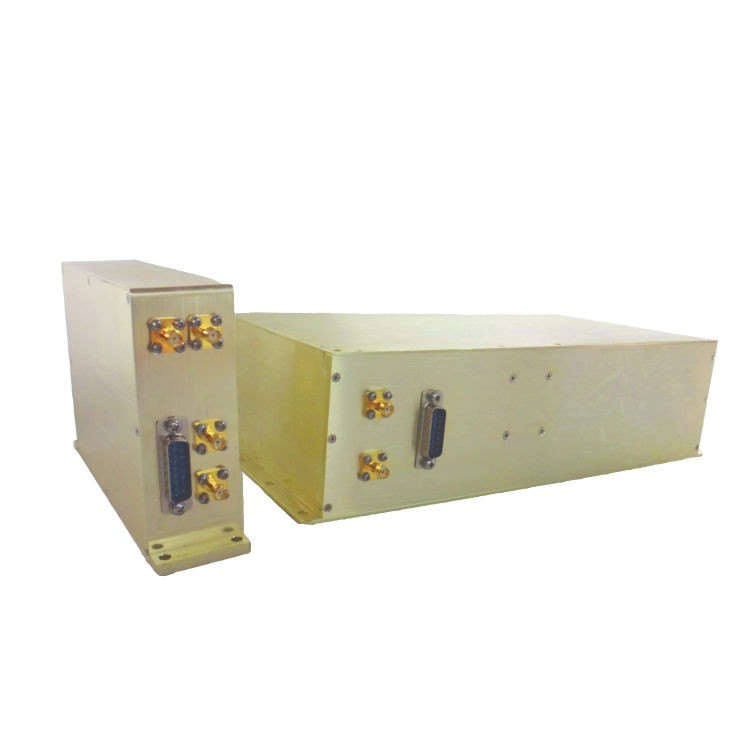
| Core module | OEM integration and custom test systems | Mechanical fit, power, RF, and control interfaces |
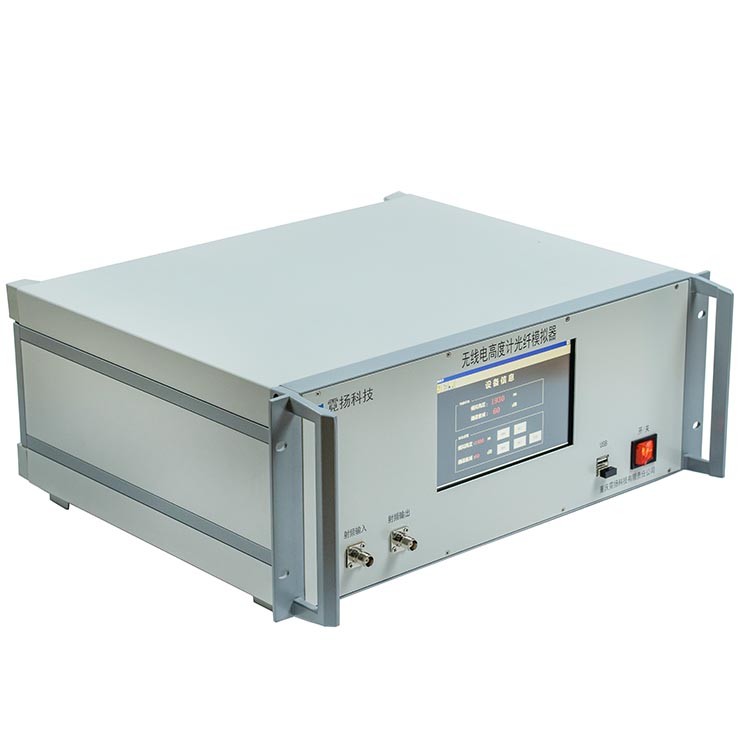
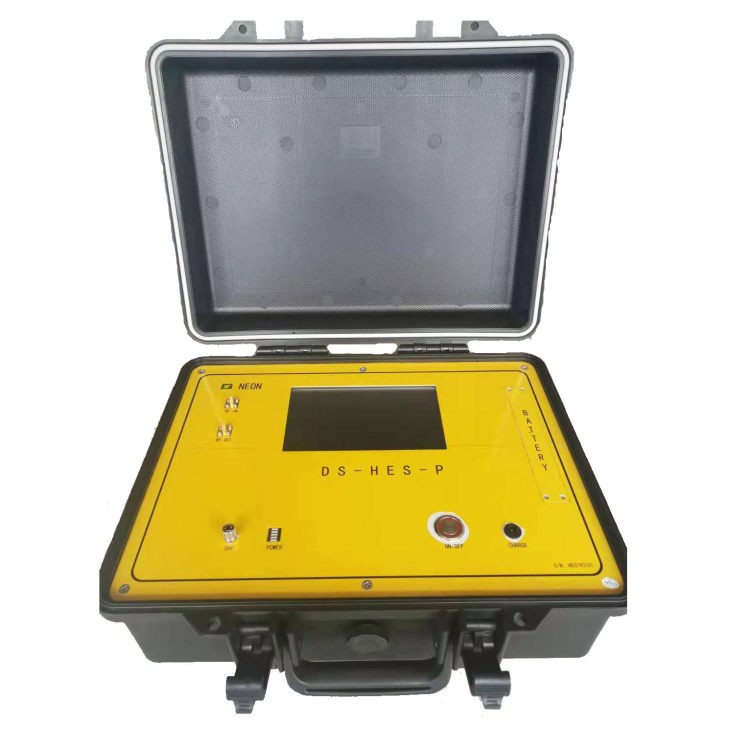
NEON offers DS-HES-P portable, DS-HES-S standard-case, and DS-HES-C core-module configurations. Confirm the specifications and available options for the exact model you are considering.
Consider Automation and Integration
Manual control may be sufficient for occasional checks. Automated control can be more useful for repetitive tasks and integration into larger test platforms.
Before purchasing, verify:
- Supported control interfaces and commands.
- Compatibility with existing software.
- Test sequence and data-recording requirements.
- Engineering work required for integration.
Choose a configuration that fits your actual workflow, not simply the model with the most features.
Evaluate Calibration, Documentation, and Technical Support
The purchase price is only one part of the total cost of ownership. Calibration, maintenance, training, integration, and downtime can also affect long-term value.
Ask suppliers about four areas:
- Calibration and verification: What calibration or periodic verification is recommended? Are supporting records available? What procedures apply to your quality system?
- Technical documentation: Can the supplier provide a complete datasheet, operating manual, interface documentation, and applicable acceptance-test records?
- Maintenance and support: Are spare parts, troubleshooting assistance, and repair services available?
- Software and lifecycle support: Are updates available, and could they affect existing test procedures or system compatibility?
Some of the optical fiber delay systems are said to be stable and require minimal routine maintenance. That does not, however, necessarily eliminate the need for calibration or verification. See the manufacturer or supplier documentation that accompanied the instrument and the quality procedures prepared by your facility.
Use a Radio Altimeter Test Set Procurement Checklist
Use this checklist to compare shortlisted radio altimeter test equipment suppliers.
| Evaluation Item | Question to Confirm |
| Test coverage | Does the system support the required maintenance tasks? |
| Compatibility | Is it compatible with the target radio altimeter? |
| Frequency range | Does it cover the required operating band? |
| Altitude simulation | Are range, accuracy, and adjustment capabilities sufficient? |
| Signal quality | Are VSWR, suppression, and stability suitable? |
| Interfaces | Will it work with existing RF and control connections? |
| Configuration | Is it suitable for field, bench, or integrated use? |
| Documentation | Are specifications and acceptance records available? |
| Support | Are calibration, repair, and technical services available? |
| Total cost | What are the expected integration and ownership costs? |
Follow three steps before making a purchase decision:
- Define: Document the target equipment, maintenance tasks, and mandatory specifications.
- Verify: Compare supplier documentation against each requirement and identify any gaps.
- Validate: Where practical, arrange a technical demonstration, sample evaluation, or agreed acceptance test.
Treat mandatory compatibility and performance requirements as pass-or-fail criteria. A high overall score should not compensate for a critical unmet requirement.
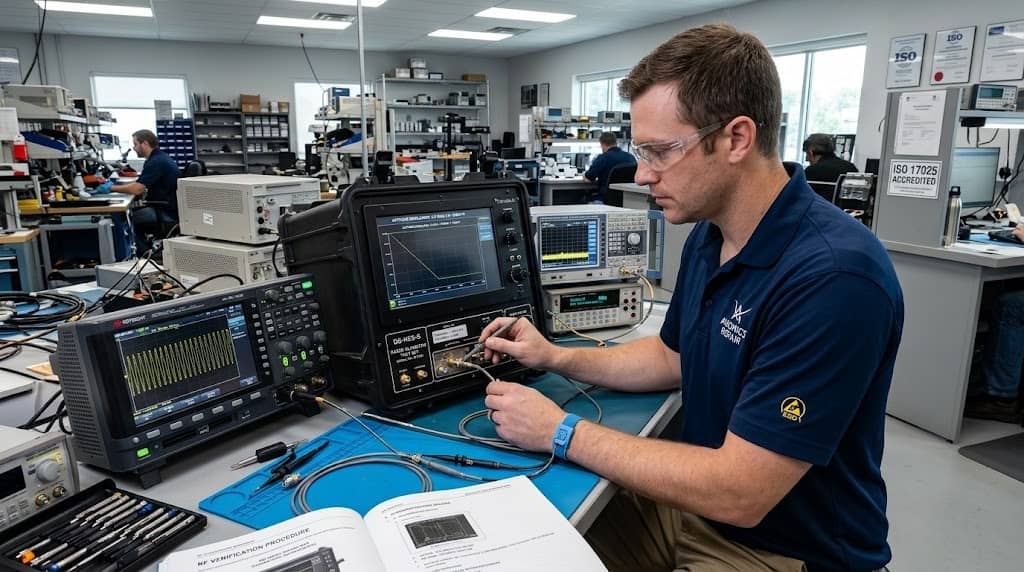
Choose a Radio Altimeter Test Set Supplier
A good supplier will advise you on how the proposed configuration can meet your needs and limits prior to purchase:
Compare each supplier against:
- Technical transparency/visibility and past success.
- Technical and configuration support.
- Technical and acceptance documentation.
- After-sale services such as repairs and calibrations.
- Replacement parts and life-cycle support.
NEON offers the DS-HES series complete with portable, standard-case, and core-module options to meet your integration specifications. The choice depends on your interfaces and band of test coverage, as well as your environment. See the NEON Aircraft Radio Altimeter Testing Guide for more on the equipment and its uses.
Final Thoughts
To choose a radio altimeter test set, begin by understanding your maintenance needs. Begin with compatibility, then consider the specs pertinent to your tests, and then the configuration, support, and cost of ownership.
The right test set will enable your MRO team to maintain high productivity and provide the necessary test coverage without the burden of extraneous capacities.
Looking for radio altimeter test equipment? Contact NEON with your equipment model, frequency requirements, testing scope, and interface information to develop a DS-HES configuration that’s right for you.
Frequently Asked Questions
1. What should I check before buying a radio altimeter test set?
Check compatibility, frequency range, altitude simulation, signal quality, interfaces, documentation, and technical support.
2. Is a portable radio altimeter test set always the best choice for MRO?
No. Portable units suit mobile maintenance, while fixed laboratories and automated test systems may need different configurations.
3. How can I confirm radio altimeter simulator compatibility?
Compare the simulator specifications with the equipment manual and approved test procedures. Confirm interface and signal requirements with the supplier.
4. What documents should I request from a supplier?
Request the datasheet, operating manual, interface documentation, calibration or verification information, and applicable acceptance-test records.