
Aircraft Radio Altimeter Testing Guide 2026: Altimeter Simulators & Test Sets
In the aviation industry, a radio altimeter in aircraft is one of the most crucial sensors in ensuring safe flight. They offer facts concerning the aircraft’s altitude above the ground and thus assist in most of the missions conducted, such as the mechanisms of the ILS, GPWS, and Sitoku flights. Like any other instrument, they are used in airplanes at a certain level of a destructive load that can critically scale and refuse reliable data, instances where they are trusted tools used. An effective means for verification is a means for replacing and evaluating aerodynamics, which includes the altimeter simulator as well as a radar altimeter test set. These are the tools that are necessary for the MRO of aviation, as well as the R&D division.
This guide explores the technical evolution of these testing tools, their distinct roles, and how emerging technologies like microwave photonics are redefining the precision of aircraft radio altimeter testing.
Understanding the Radio Altimeter in Aircraft
1. Core Function and Applications
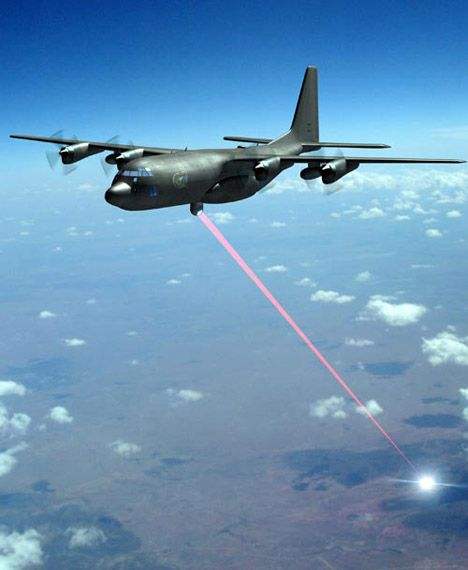
A radar altimeter or a radio altimeter, as it is more commonly known in aviation, is a navigation device that is able to measure an aircraft’s distance from the surface directly below it. While barometric altimeters use changes in air pressure to calculate pressure altitude, a radio altimeter looks at the radio waves’ round-trip time, which it has transmitted, that have been reflected from the ground.
These sensors are vital in scenarios where precision is non-negotiable:
- Precision Landings: Assisting pilots during the final stages of a descent.
- Terrain Awareness: Powering GPWS to prevent controlled flight into terrain (CFIT).
- Helicopter Operations: Essential for search and rescue or offshore operations in low-visibility.
2. The Necessity of Regular Testing
Aviation regulatory bodies mandate the periodic verification of these sensors to prevent catastrophic equipment failure. With the rise of 5G radio frequency interference and aging fleets, the demand for high-precision radar altimeter test sets has grown significantly. Traditional methods of testing often fail because of impossible strict bandwidth and signal drifting, hence there is an urgent need for improvement in the modern altimeter simulator.
Altimeter Simulator vs. Radar Altimeter Test Set
While often mentioned together, these two tools serve different stages of the aircraft’s lifecycle.
1. Technical Definitions
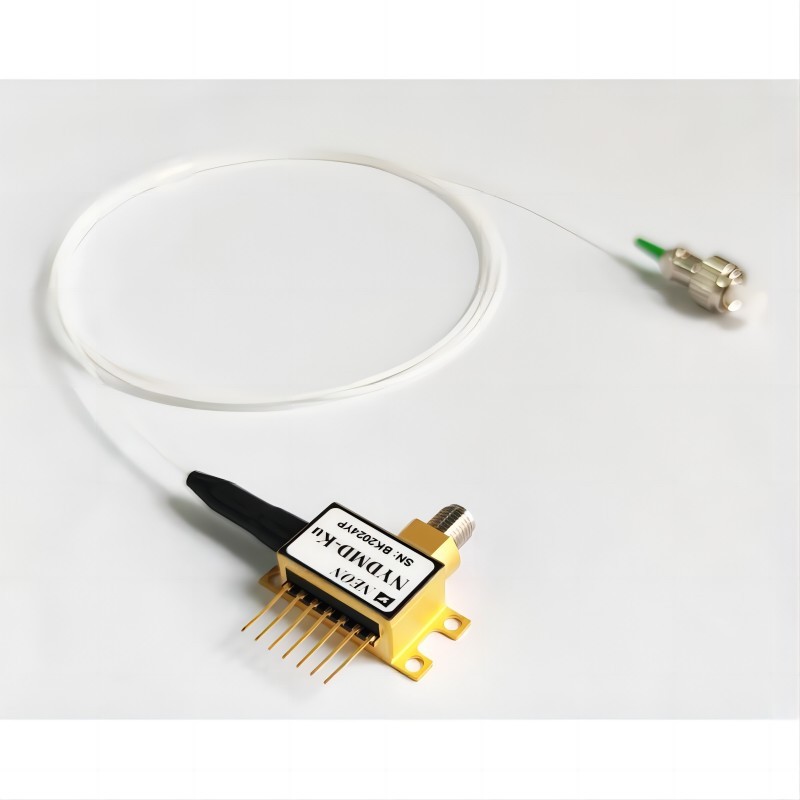
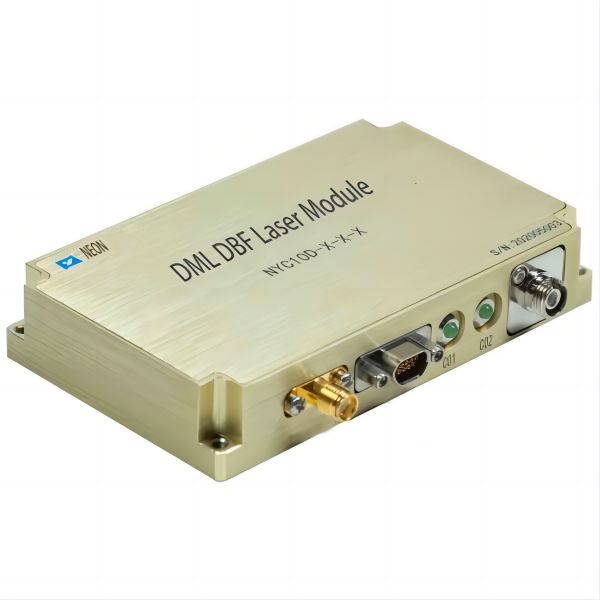
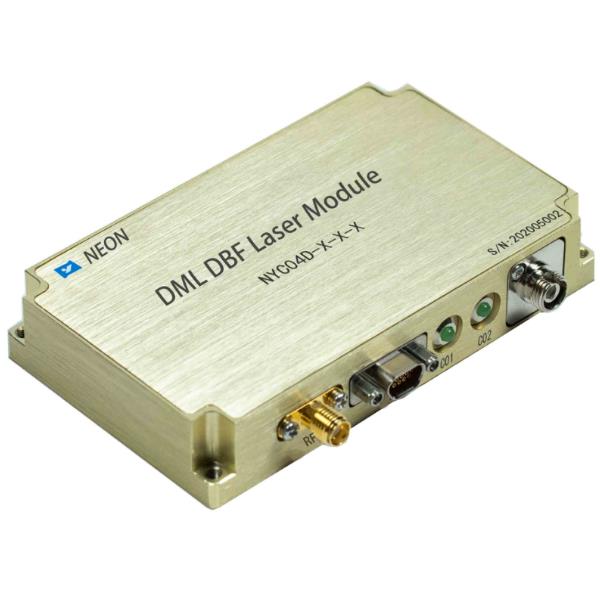
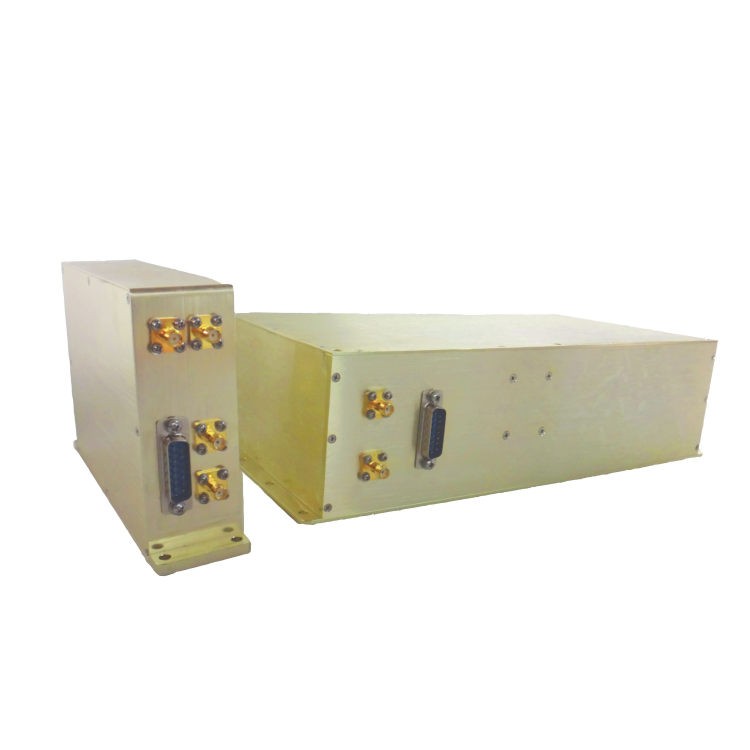
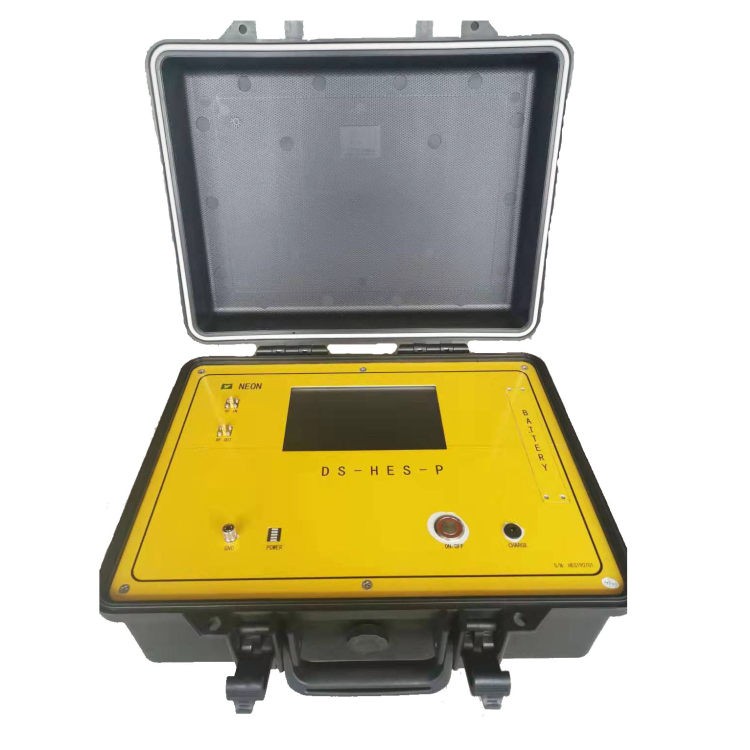
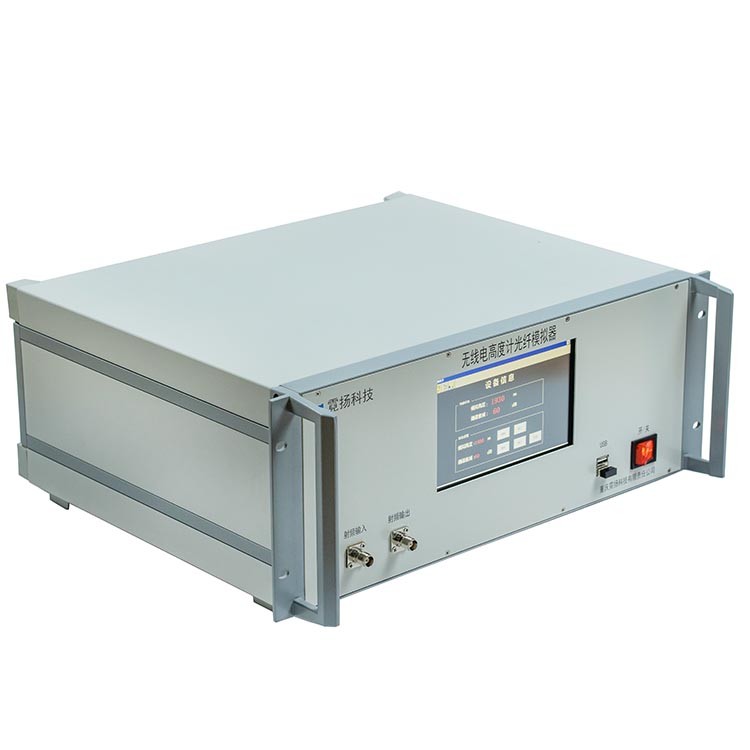
Altimeter Simulator: Primarily used in laboratory R&D and system validation. It simulates the radio echoes of various altitudes and terrains, allowing engineers to test the altimeter’s performance under flexible, adjustable parameters. Leading solutions, such as the NEON DS-HES-C series, utilize advanced microwave photonics to provide highly accurate signal simulation.
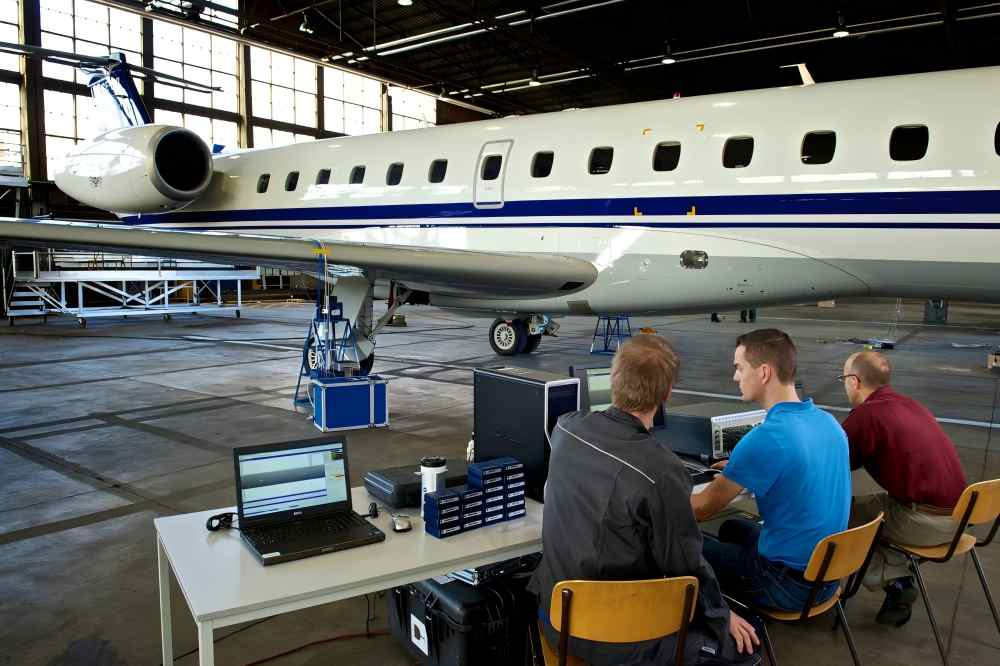
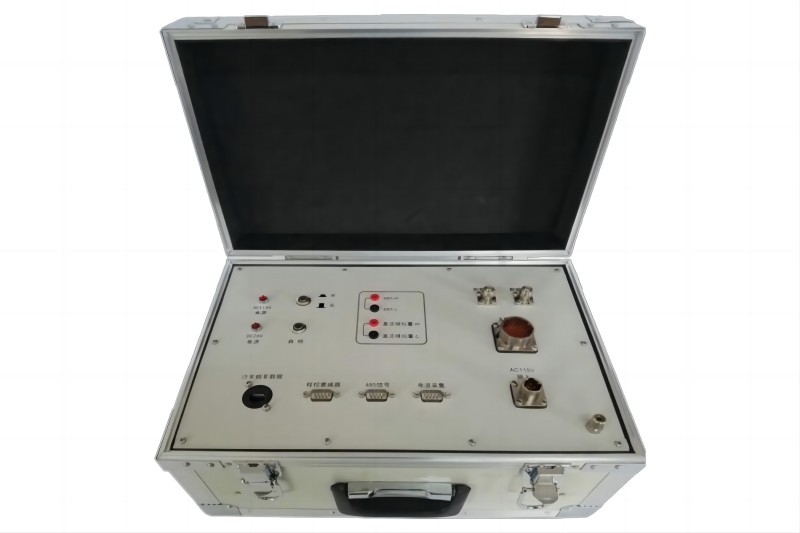
Radar Altimeter Test Set: Focuses on field maintenance and on-site diagnostics. These portable units, such as the VIAVI ALT-8000, connect directly to the aircraft’s onboard system to verify accuracy and sensitivity from the antenna to the cockpit display.
2. Comparison of Roles
| Feature | Altimeter Simulator | Radar Altimeter Test Set |
| Primary Environment | Laboratory / R&D | Flight Line / Hangar |
| Core Function | High-fidelity signal simulation | Diagnostics & Compliance |
| Flexibility | Continuous altitude adjustment | Rapid functional verification |
| Key Advantage | Eliminates interference (3-bounce) | Portable & Field-ready |
The Technical Leap: RF Photonic Delay Lines
The industry is currently transitioning away from traditional Surface Acoustic Wave (SAW) delay lines toward RF Photonic (Microwave Photonic) delay lines.
1. Limitations of Traditional SAW Technology
Traditional SAW delay lines suffer from several technical bottlenecks:
- Narrow Bandwidth: Limited capacity to handle modern wideband signals.
- Signal Interference: High occurrence of “triple-transit” signals that distort test results.
- Maintenance Burden: Frequent calibration requirements and short operational lifespans.
2. Advantages of Microwave Photonic Solutions
- Ultra wideband applicability: Full support of the aeronautical radionavigation band 4.2–4.4 GHz (or up to 4.6 GHz), which makes it possible for one device to carry out testing for different types of aircraft.
- Unprecedented precision: direct suppression ratios of 60–80 dBc, and simulation accuracy is no lower than 1%.
- Stable environmental characteristics: very low thermal drift coefficient (≤7 ppm °C–1), permitting the avoidance of routine replacement and maintenance procedures over time.
- Completeness: Assembled and secured in a small size and at the same time has a high EMC, it is convenient for application in various high-density testing systems.
Selection Guide: Choosing the Right Test Equipment
When selecting tools for aircraft radio altimeter testing, professionals must evaluate specific criteria based on their operational environment.
1. Selection Criteria for Altimeter Simulators
- Altitude Range: Look for simulators capable of 0–22,000 meters (or higher) to cover all flight phases.
- Control Interfaces: Ensure compatibility with standard platforms like LAN, PXI, or VXI for automated testing.
- Technology Foundation: Prioritize units using microwave photonic delay lines to ensure long-term reliability and accuracy.
2. Selection Criteria for Radar Altimeter Test Sets
- Portability: The unit must be rugged enough for the flight line.
- Compatibility: It should support both Pulse and FMCW (Frequency Modulated Continuous Wave) altimeters.
- Compliance: The device must meet international aviation regulatory standards for periodic calibration.
Adopting microwave photonic solutions from top-tier vendors such as NEON can enable aviation R&D and MRO centers to guarantee higher accuracy, lower expenses on maintenance, and most importantly, ultra-safe air traffic. When we speak about organizations faced with the need to upgrade testing capabilities within the given period, it makes more sense to concentrate on solutions that are highly integrated, automated, wideband-compliant, and advanced instead.
Frequently Asked Questions
Q1: Why do I need both a simulator and a test set?
A: They cover the full lifecycle. The altimeter simulator is for development and deep precision verification in the lab, while the radar altimeter test set is for “on-the-wing” health checks and troubleshooting during active service.
Q2: Can microwave photonic simulators handle 5G interference testing?
A: Yes. Due to their ultra-wide bandwidth and high dynamic range, they are the preferred tool for simulating 5G signal encroachment and its impact on a radio altimeter in aircraft.
Q3: Is periodic calibration still necessary with photonic technology?
A: While photonic delay lines are significantly more stable and often advertised as “calibration-free” for long periods, aviation safety standards still recommend periodic verification to remain compliant with regulatory bodies.