
Why Airlines Invest Heavily in Radio Altimeter Test Sets in 2025
Why Ground Testing Has Become a Global Priority
Radio altimeter ground testing has become more common in the aviation sector due to the exponential increase in demand over the last couple of years. This demand was due to regulatory changes, concerns over interference, and concerns over the ageing avionics. What was once considered an aspect of routine test and balance during maintenance checks, there are now modern day safety check interferences due to next-gen avionics and modern communication networks. As a result of this, there is an increasing demand for test accuracy, compliance, and operational reliability. Hence, operators continue to rely on radio altimeter test sets and radio altimeter simulators.
Understanding the Radio Altimeter and Its Sensitivity to Interference
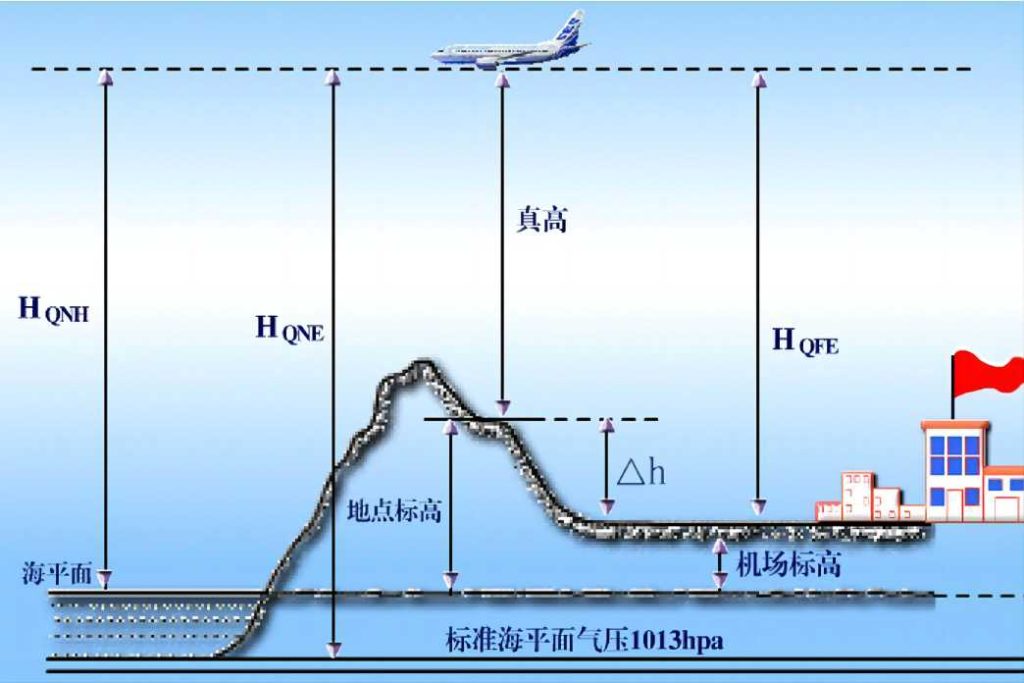
Some people call it a radar altimeter. A radio altimeter measures how far above the lowest part of the building the plane is at the moment. It measures the height above the ground and uses a radar signal to see how high the plane is at the moment. It measures the height above the ground. It uses a radar signal to see how high the plane is above the lowest part of the building. It measures height using a frequency-modulated continuous-wave. It measures the electromagnetic waves to a target and back to calculate the height of the plane. It operates on the USA-approved electromagnetic band of 4.2 to 4.4 GHz. An automatic landing, terrain awareness and warning systems (TAWS), and low visibility approaches to land all require precise readings. A radio altimeter is a requirement.
No one can deny that radio altimeters are one of the most sensitive instruments in the aviation industry. Weak and partial signals can lead to incorrect calculations in the final stages of landing. These systems are sensitive to radio interferences that can lead to safety issues. For all these safety issues, radio altimeters are sensitive; therefore, the aviation industry now more than ever needs to test the altimeters thoroughly.
What Is Driving the Surge in Ground Test Demand?
1. 5G C-Band Interference Concerns
Concerns about the rollout of 5G technology around the world, especially regarding sectors of the 5G radio band that are close to the radio altimeter band, are particularly heightened. There are still worries about safety perimeter violations. Airports are still at risk of safety violations, as radio towers are close to the airport. Even the slightest potential for interference modifies the radio altimeter receiver design goals to an environment very different from the approaches proposed by today’s regulations. Agencies around the world update their airworthiness directives on a near daily basis, urging operators to check radio altimeter systems more frequently. This has increased the backlog of radio altimeter testing systems and radio altimeter simulator systems.
2. Aging Avionics and Extended Aircraft Lifecycles
Many global airlines and helicopter operators are extending the service life of their fleets to reduce capital expenditure. While this helps financially, it also means aircraft rely on altimeters that may be 15–25 years old. With time, RF components wear down, antennas tackle corrosion, and cables are less effective. If the RF components are so minor, these topographies are unnoticeable without rigorous testing. So once again, routine altitude simulations and calibrations are vitally needed.
3. Regulatory Pressure and Enhanced Safety Standards
New compliance guidelines increasingly emphasize reliable altitude measurement during critical flight phases. ICAO, EASA, FAA, and multiple national regulators now recommend or require more inclusive ground checks, including closed-loop testing rather than simple built-in test (BITE) checks. This further accelerates operator demand for professional test sets and simulators capable of reproducing accurate altitude profiles.
Why Traditional Self-Tests Are No Longer Enough
Many aircraft rely on built-in cockpit tests to check radio altimeter functionality. However, these tests only verify internal processing—they do not confirm the health of the antenna, transmitter, receiver sensitivity, or complete RF path. In today’s high-interference environment, this is insufficient.
Traditional checks cannot:
- Simulate realistic climb or descent altitude curves
- Detect antenna misalignment or water intrusion
- Identify RF noise floor increases
- Reveal performance degradation caused by aging components
To maintain safety and prevent undetected failures, aviation maintenance teams now require end-to-end ground testing using specialized radio altimeter test sets.
The Essential Role of Radio Altimeter Test Sets and Simulators
1. How a Test Set Works
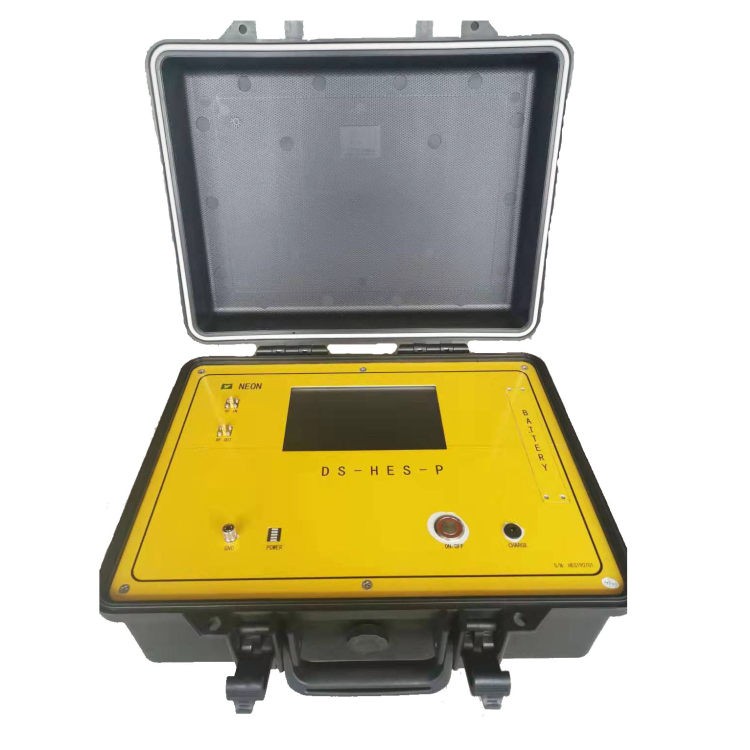
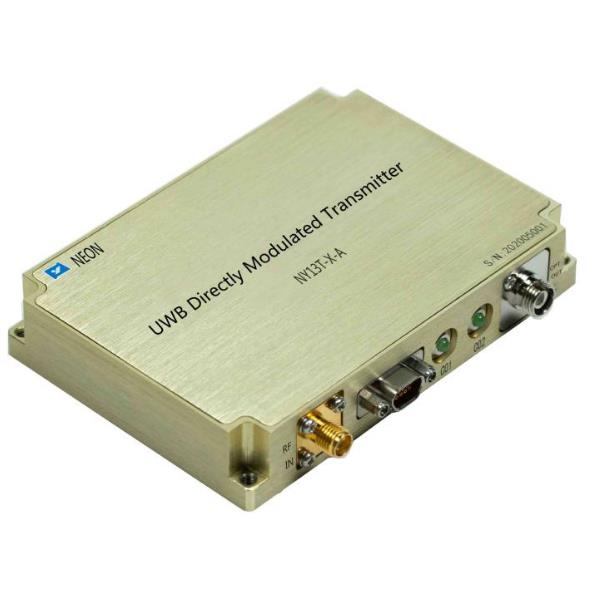
A modern radio altimeter test set connects directly to the aircraft’s antennas or RF ports. It generates simulated altitude signals—ranging from 0 to thousands of feet—and sends them into the altimeter system. The aircraft’s avionics must correctly interpret these inputs and display accurate altitude readings. This method validates the entire signal chain, from transmitter to cockpit indicator.
2. Capabilities of Modern Test Sets
Today’s professional radio altimeter test sets offer:
- Portable, battery-powered field testing
- Accurate altitude simulation (often within a few feet)
- Multi-standard compatibility across aircraft types
- Automated test sequences for quicker maintenance cycles
- RF spectrum monitoring to detect real-world interference
These features make them indispensable for MRO centers, airlines, helicopter fleets, and avionics workshops.
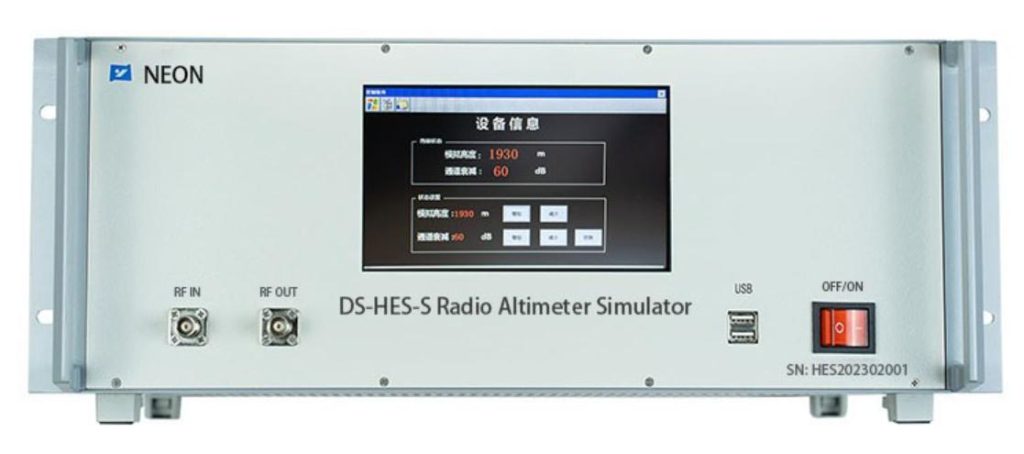
3. Why Simulators Are Increasingly Popular
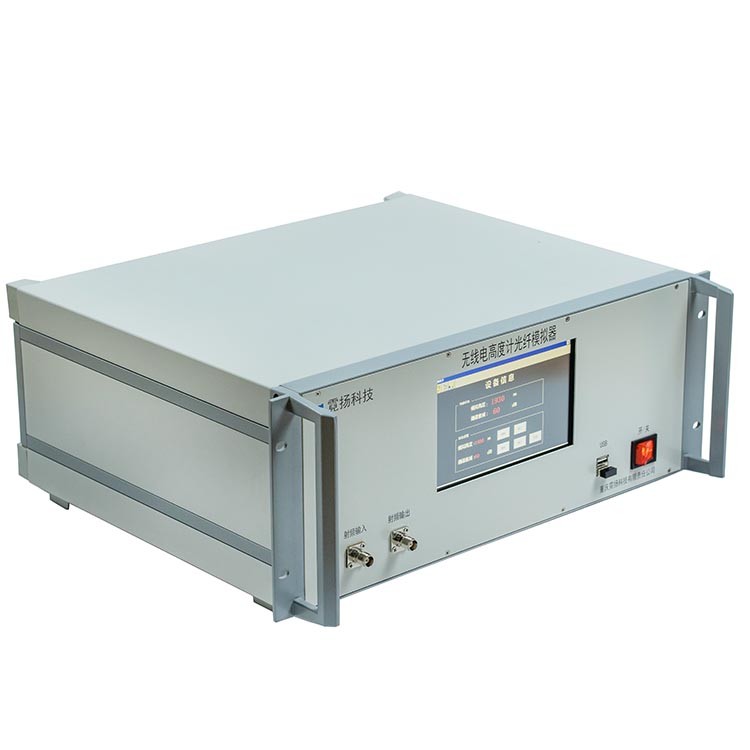
Radio altimeter simulators can build upon existing algorithms and surpass basic test scenarios to create more advanced test scenarios for radio altimetry. Beyond basic altitude profile scenarios, simulators can create varying terrain, levels of altitude step climbs, and step climbs to terrain and demonstrate simulation of worst case interference. The ability to replicate various terrain scenarios for radio altimeter testing is of utmost importance to predict altimeter performance and sensitive and overstressed operations, such as those involving 5G noise.
Growing Adoption Across the Aviation Ecosystem
Needs for altitude measuring instrument testing are rapidly increasing in a variety of industries:
- Commercial airlines are now conducting additional altimeter ground check testing in A-checks and C-checks.
- Helicopter operators who have low altitude missions are now testing their altimeters for an expensive mission-critical failure.
- Manufacturers of eVTOLs and drones are beginning to depend more on radio altimeter simulator test sets for system integration and certification.
- MRO (Maintenance, Repair, and Overhaul) facilities are investing heavily in advanced radio altimeter test sets in order to remain compliant with the newer radio altimeter test sets.
With the recent changes to systems and added safety testing, it is predicted that for the next decade, the need for altimeter testing sets will continue to see the same growth.
Best Practices for Implementing a Modern Radio Altimeter Test Program
To establish an effective ground testing program, operators should:
- Conduct baseline performance tests at least once per maintenance cycle
- Use both a radio altimeter test set and, when needed, a high-fidelity simulator
- Validate the full altitude range, sensitivity, and noise floor
- Maintain digital logs for trend monitoring
- Train maintenance personnel in RF safety and altimeter system diagnostics
These practices help reduce unscheduled maintenance events and enhance overall flight safety.
The Future of Radio Altimeter Testing
As aviation technology evolves, next-generation altimeter testing equipment will incorporate:
- AI-assisted interference detection
- Automated calibration and reporting
- Enhanced digital models for terrain and noise simulation
- Integration with onboard health-monitoring systems
- Customized simulation for eVTOL urban air mobility operations
With airspace becoming more crowded and the RF environment more complex, altimeter testing equipment will play an increasingly critical role in aviation safety management.
In Summary
One of the impacts of the pandemic on the Aviation Industry is the increased focus on safety. Radio Altimeter Test Sets and Radio Altimeter Simulators have become more essential. As 5G Networks expand, operators can no longer depend on self-tests or checklists for accuracy. As the age of the aircraft fleets increases and regulations become more stringent, self-testing accuracy is no longer a viable option. Ground testing is a necessity. Comprehensive testing, simulations, and tools have become vital to ensure the reliability of Radio Altimeters and the safety of all low-altitude operations.